
Shoveling Smarter
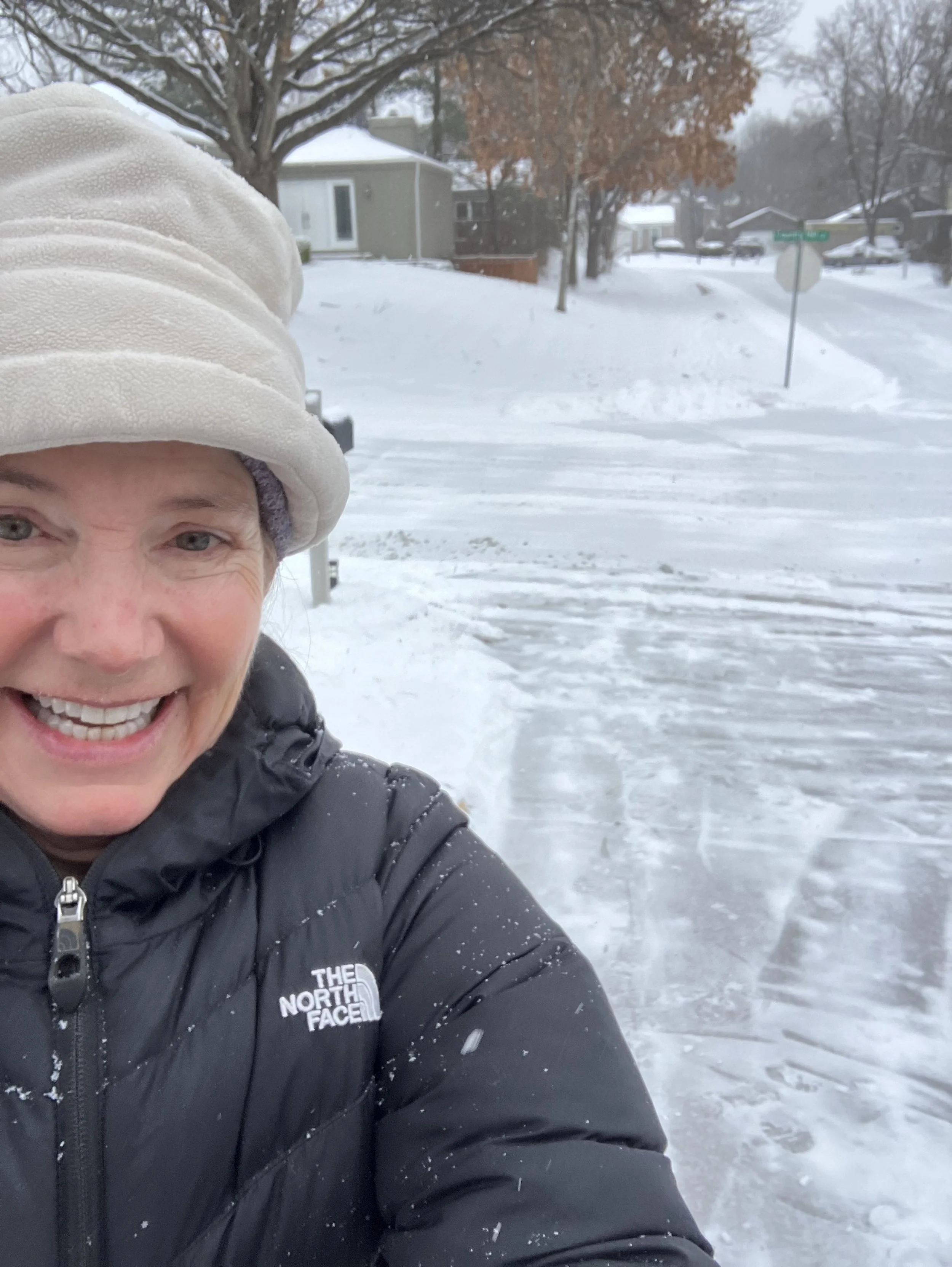
As much of the US is pummeled by a major winter snow dump, for those without a a snow blower, shoveling may look like a pretty straightforward chore. It’s actually one of the most physically demanding homeowner tasks people do all year. In fact, snow shoveling can place strain on the body similar to other intense exercise options—often without the warm-up, hydration, or pacing we’d normally include in a workout.
The 7 tips in this blog will help you understand how to protect your heart, joints, and muscles while shoveling safely.
1. Treat Shoveling Like a Workout
Shoveling engages the legs, core, shoulders, and arms, while cold temperatures make the heart work harder.
Before you start:
Do 5 minutes of light movement (e.g. march in place, arm circles, gentle twists)
Wear warm layers that allow movement (no bulky coats that restrict motion)
It’s never wise to jump straight into a workout, so don’t jump straight into shoveling.
2. Use Smart Body Mechanics
Poor form is one of the biggest causes of back injuries.
Protect your spine:
Bend at the hips and knees—not the waist
Keep your shovel of snow close to your body when lifting
Tighten your core before lifting
Avoid twisting while throwing snow—step and turn instead
Pro tip: Push snow when possible rather than lifting it.
3. Pace (don’t race)
Many injuries happen when people rush to get thru the chore
Take frequent breaks (every 10–15 minutes)
Alternate sides to avoid muscle imbalances
Stop if you feel winded, dizzy, or overly fatigued
Note: Cold air can mask exertion—your body may be working harder than you realize.
4. Choose the Right Tools
Your shovel matters more than you may think.
Use a lightweight, ergonomic shovel
Consider a shovel with a curved handle to reduce back strain
For larger areas, a snow blower or hiring help may be a wise choice
5. Protect Your Heart
Cold weather causes blood vessels to constrict, raising blood pressure.
Be extra cautious if you:
Are 50 or better
Have a history of heart disease, high blood pressure or diabetes
Are generally sedentary (i.e. getting less than 30 minutes of daily moderate intensity activity)
Stop immediately and seek help if you experience:
Chest pain or pressure
Shortness of breath
Lightheadedness
Pain radiating to the jaw, back, or arm
6. Stay Hydrated and Fueled
You may not feel thirsty in cold weather, but dehydration still happens.
Drink water before and after shoveling
Eat a balanced meal or snack beforehand to maintain energy
7. Listen to Your Body—Not Your To-Do List
Pain is information.
Mild muscle fatigue is normal
Sharp pain, back pain, or joint pain signals a need to stop
It’s okay to leave some snow for later or ask for help
Your wellbeing matters more than a perfectly cleared driveway.
Bottom Line
Shoveling snow can count as functional fitness, but only when done with awareness and respect for your body. Move mindfully, pace yourself, and prioritize safety—especially in midlife and beyond.
Sometimes the healthiest choice isn’t doing more—it’s doing things smarter.
Want to get more fit to handle demanding tasks such as snow shoveling and life in general? If you’re a women 50 or better, click here to connect about how convenient personalized fitness training by zoom can be with me.
To your good health and joy,
Health Coach Gayle Rose
Certified Whole Health Coach
Certified Behavior Change Specialist
Certified Personal Fitness Trainer
720-793-0413
