
The Power of Enough
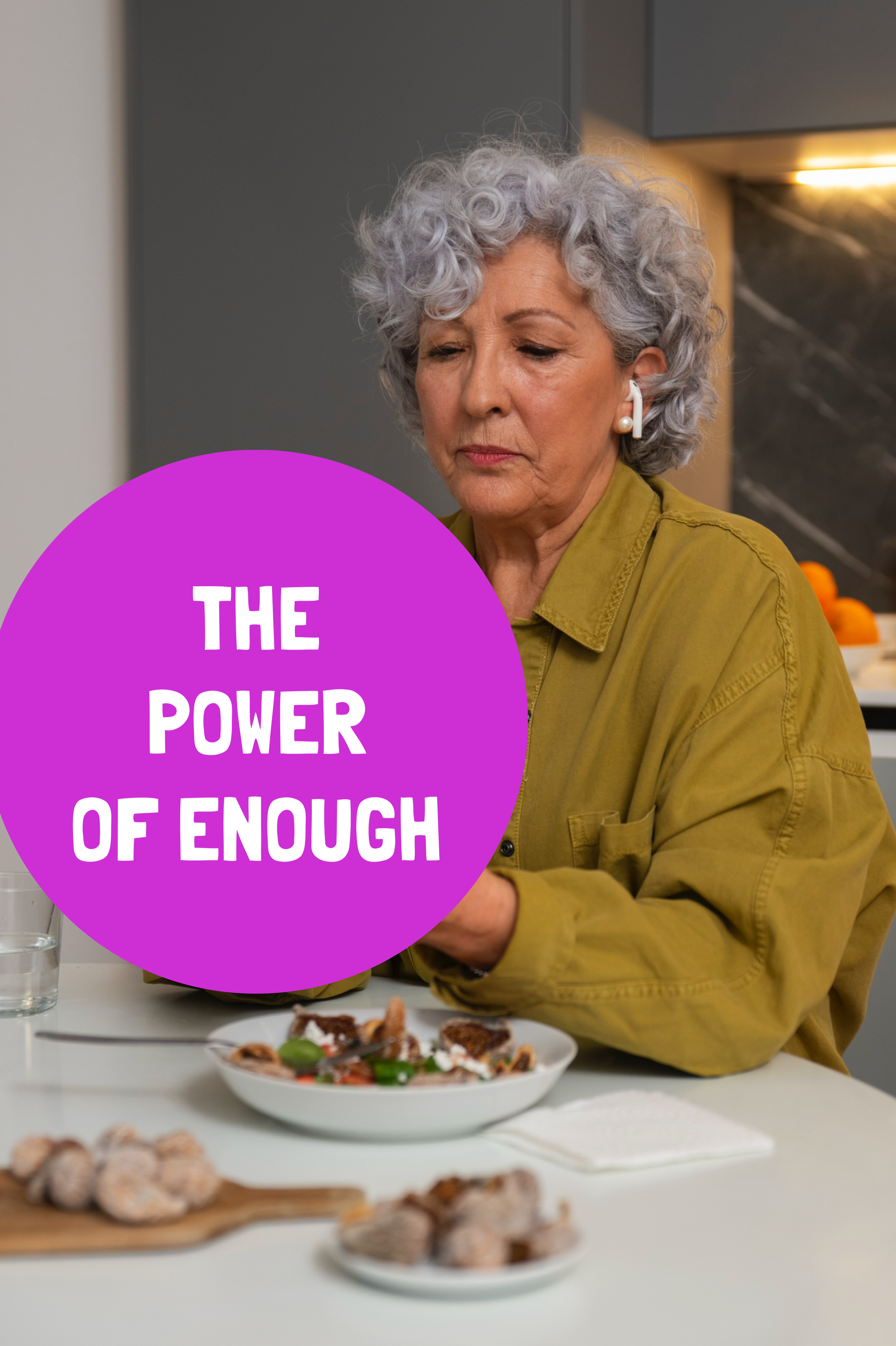
Portion Control: A Practical Path to Steady, Sustainable Weight Loss
When it comes to weight loss, portion control often gets overlooked as its reputation is less than stellar. Many people hear the phrase and immediately think of restriction, deprivation, or tiny plates that leave them feeling unsatisfied and frustrated.
But real, sustainable portion control isn’t about eating less—it’s about eating enough of the right things, in amounts that support your body, your energy, and your long-term health.
Especially in midlife and beyond, portion awareness can be one of the most effective—and freeing—tools for steady, consistent weight loss.
Why Portion Control Matters More Than Ever After 50
As we age, our bodies change. Hormones shift, muscle mass naturally declines, and metabolism slows slightly. None of this means weight gain is inevitable—but it does mean that old eating patterns may no longer serve us the way they once did.
Portion sizes in our culture have quietly grown over the years. (Take a deeper dive into this with my PDF about portion distortion over the years.) Restaurants serve more. Packaged foods encourage us to eat “the whole thing.” Even healthy foods can contribute to weight gain if portions consistently exceed what our bodies need.
Portion control helps you:
Reduce excess calorie intake without dieting
Support blood sugar balance
Improve digestion and energy levels
Lose weight gradually—and keep it off
Most importantly, it helps you reconnect with your body’s natural signals of hunger and fullness.
Portion Control Not Restriction
Let’s be clear: portion control is not about:
Skipping meals
Feeling hungry all the time
Cutting out foods you enjoy
Following rigid rules or measuring everything forever
Instead, it’s about intentional eating.
When you practice portion control with care and awareness, you create space for satisfaction, nourishment, and consistency—all key ingredients for lasting weight loss.
The Power of “Enough”
One of the most overlooked skills in weight loss is learning what “enough” feels like.
Not stuffed.
Not deprived.
Just comfortably satisfied.
Many of us grew up cleaning our plates or eating past fullness out of habit, stress, or distraction. Over time, this can dull our internal cues.
Portion control helps retrain those cues by encouraging you to:
Eat slowly
Notice hunger before meals
Pause during meals
Check in with fullness
Weight loss becomes less about willpower and more about awareness.
Simple, Practical Portion Control Strategies
You don’t need a scale, an app, or a calculator to practice portion control. Here are realistic strategies that work in everyday life:
1. Build Your Plate with Balance
Aim for meals that include:
½ plate vegetables (fiber, volume, nutrients)
¼ plate protein (satiety, muscle support)
¼ plate whole foods carbs or healthy fats
This naturally keeps portions in check while ensuring nourishment.
2. Start with One Plate
Serve your meal on a plate instead of eating from the package or pan. This creates a clear beginning and end to eating—and encourages mindfulness.
If you’re still genuinely hungry after finishing, you can always have more. The goal is awareness, not limitation.
3. Use Visual Cues
Your hand can be a simple guide:
Protein: about the size of your palm
Carbohydrates: a cupped hand
Fats: about the size of your thumb
Vegetables: as much as you’d like
These cues travel with you—no measuring cups required. Get my printable infograph for this HERE.
4. Slow the Pace
It takes about 20 minutes for your brain to register fullness. Eating more slowly helps prevent overeating and improves digestion.
Try:
Putting your fork down between bites
Taking a breath halfway through your meal
Removing distractions when possible
Notice if you have food in your mouth and on your fork at the same time. If so, it’s a good indicator you could benefit from slowing down.
5. Honor Satisfaction
Meals should be enjoyable. When food is satisfying—flavorful, nourishing, and eaten with intention—you’re less likely to keep grazing later.
Deprivation often leads to overeating. Satisfaction supports consistency.
Portion Control and Emotional Eating
Portion control isn’t just about food—it’s also about why we eat. Get my infograph about 6 ways to feel more peace with food and your body.
Stress, fatigue, boredom, and emotions can all influence portion sizes. Practicing portion awareness can help you pause and ask:
Am I physically hungry?
Or do I need rest, comfort, or connection?
This gentle self-inquiry builds trust with your body rather than fighting it.
What Steady Weight Loss Really Looks Like
Steady weight loss is not dramatic or extreme. It’s often:
1 pound per week
Gradual changes over weeks, not days
Improved energy and confidence along the way
Portion control supports this kind of progress because it’s livable. You can practice it at home, while traveling, at restaurants, and during social events—without feeling “off plan.” Click here to see a comparison of coaching vs. diets and other extremes.
A Compassionate Approach That Lasts
The most important part of portion control is self-compassion.
Some days you’ll eat past fullness. Some meals will be bigger than planned. That’s part of being human—not a failure.
What matters is returning to awareness at the next meal, the next snack, the next day.
When portion control is practiced with kindness—not criticism—it becomes a powerful ally in your health journey.
Final Thoughts
You don’t need another diet.
You don’t need extreme rules.
You don’t need to overhaul your life overnight.
Portion control, practiced gently and consistently, can help you lose weight steadily while feeling nourished, satisfied, and in charge.
Small, intentional choices—repeated over time—create meaningful and lasting change.
And that’s how lasting wellness is built.
Ready to step into steady weight loss without diet deprivation? Let’s connect to see if we’re a good fit. Set your time for a private, judgement free chat HERE.
To your good health and joy,
Health Coach Gayle Rose
Certified Whole Health Coach
Certified Behavior Change Specialist
Certified Personal Fitness Trainer
720-793-0413
P.S. Be inspired by real life success stories of WhyPowered Client Friends; There are now 26 who’ve shed 50 or more pounds and released Diet Stress Disorder in the process!

